
Oral Cancer Screening
Oral cancer screening at Thrive Dental is a simple, crucial part of preventive care that detects cancer early when survival rates are highest.
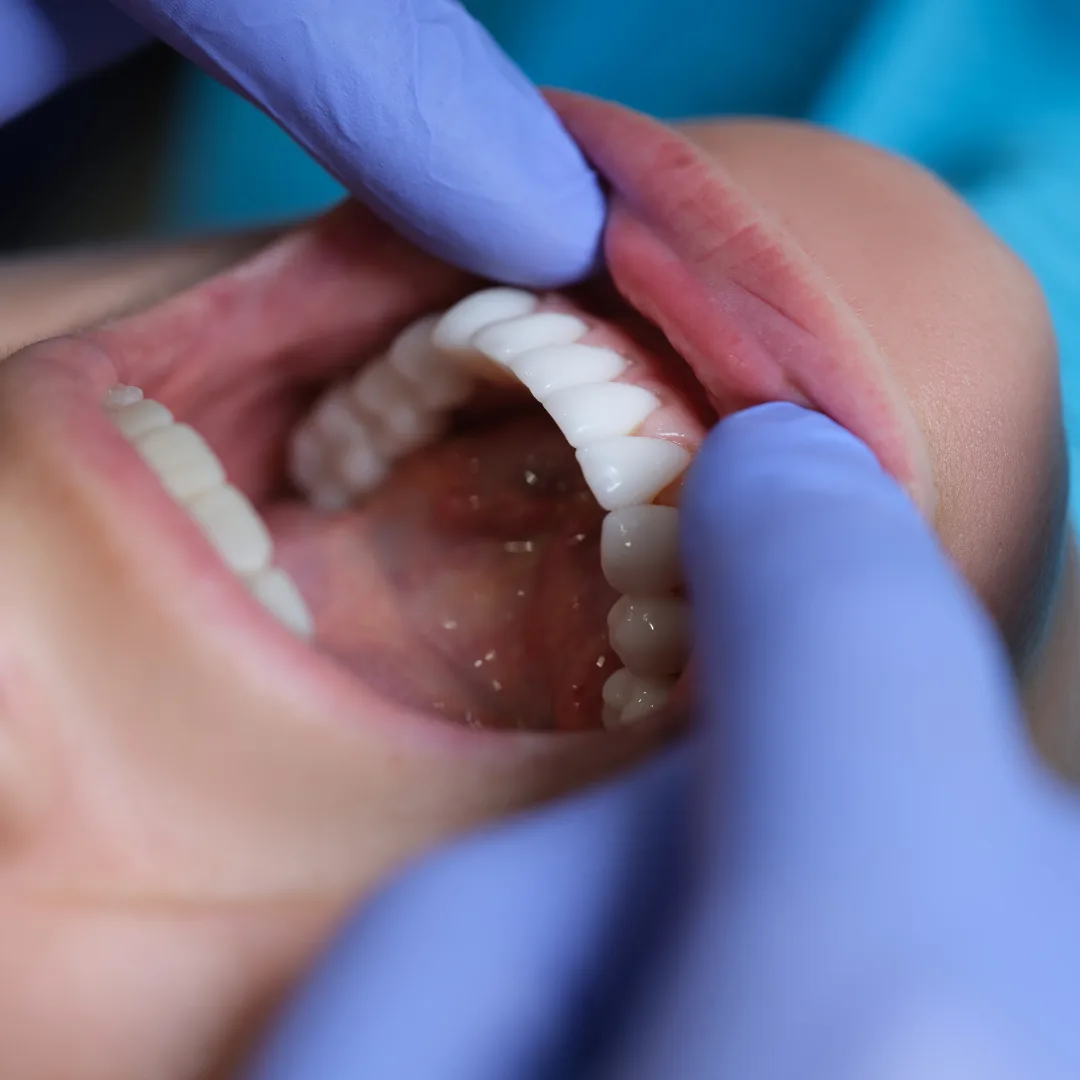
Why Oral Cancer Screening Matters
Approximately 54,000 Americans are diagnosed with oral cancer each year, and about 10,000 die from it. The tragedy is that early-stage oral cancer has a 5-year survival rate of 84%, but when diagnosed at advanced stages, survival drops to 38%.
Early detection is literally lifesaving. Oral cancer screening is a simple 2-3 minute examination we include at every Thrive Dental appointment. This preventive step can catch cancer when treatment is most effective.
What Is Oral Cancer?
Oral cancer (squamous cell carcinoma) develops in the tissues of the mouth or throat. It includes cancers of the:
- Lips
- Tongue
- Cheeks and floor of mouth
- Hard and soft palate
- Salivary glands
- Oropharynx (back of throat)
Oral cancer typically starts with precancerous changes in cells, often appearing as red or white patches on tissues.
Risk Factors
Major Risk Factors:
- Tobacco Use: Cigarettes, cigars, pipes, chewing tobacco, and snuff significantly increase risk. Smokeless tobacco is just as dangerous as smoked tobacco.
- Alcohol Use: Heavy alcohol consumption, especially combined with tobacco, dramatically increases risk. The combination is particularly dangerous.
- HPV Infection: Human papillomavirus, particularly strains HPV-16 and HPV-18, increase risk. HPV is sexually transmitted.
- Sun Exposure: Chronic UV exposure to lips, especially in outdoor workers, increases lip cancer risk.
- Age: Most oral cancers occur in people over 40, though younger people can develop oral cancer.
- Male Gender: Men are twice as likely to develop oral cancer as women.
- Family History: A family history of cancer, especially oral or respiratory cancer, increases risk.
Additional Considerations:
- Poor oral hygiene and chronic irritation from ill-fitting dentures or sharp tooth edges
- Immunosuppression (from medications or disease)
- History of previous oral cancer
Important Note: About 25% of oral cancer occurs in people with no known risk factors. This is why screening matters for everyone.
Warning Signs Between Visits
Contact Thrive Dental immediately if you notice:
- Non-healing sore: Any sore in the mouth, on the lip, or in the throat that lasts more than 3 weeks without obvious cause
- Persistent pain: Unexplained pain in the mouth, lip, tongue, ear, or throat lasting more than 2 weeks
- Lumps or thickening: Any hard nodule, lump, or swelling on lips, gums, tongue, or in the mouth or throat
- Color changes: Red or white patches (patches that don’t scrape off) on lips, gums, tongue, or inside mouth
- Difficulty swallowing: Persistent pain or difficulty when swallowing (dysphagia)
- Jaw changes: Swelling, numbness, or pain in the jaw
- Hoarseness: Persistent hoarseness or voice changes lasting more than 2 weeks
- Ear pain: Unexplained ear pain (especially on one side) lasting more than 2 weeks
- Loose teeth: Teeth becoming loose without obvious cause (other than gum disease)
These signs don’t automatically mean cancer—but they warrant professional evaluation.
The Oral Cancer Screening Process at Thrive Dental
Visual Examination: Your dentist inspects all visible tissues under bright light:
- Lips (both inside and outside surfaces)
- Cheeks (the buccal mucosa)
- Gums and attached gingiva
- Tongue (top, bottom, and sides)
- Floor of mouth (beneath the tongue)
- Hard palate (roof of mouth)
- Soft palate and throat
- Tonsils and back of throat
Palpation: Your dentist uses gloved fingers to gently feel tissues, detecting lumps, abnormal texture, or hardness. This is crucial because some cancers are beneath the surface.
Assessment: If anything appears abnormal, we document it and may photograph it for comparison at future visits.
Discussion: We explain findings, discuss next steps, and answer questions.
The entire screening takes 2-3 minutes and is comfortable for most patients.
Screening Technology
Some dental offices use special screening lights or rinses that highlight suspicious tissue, but they have limitations and are not replacements for visual and tactile examination. At Thrive Dental, we rely on careful visual and tactile examination, the gold standard for screening. If anything concerning is found, we refer to specialists who perform definitive diagnosis with biopsy.
What Happens If Something Suspicious Is Found
Step 1 - Assessment: Your Thrive Dental dentist clearly explains what we observed, why it concerns us, and how we’ll proceed.
Step 2 - Specialist Referral: If findings warrant further evaluation, we refer you to an oral and maxillofacial surgeon or head and neck oncologist (cancer specialist) promptly. Don’t delay this referral.
Step 3 - Definitive Diagnosis: The specialist performs additional examination and may perform a biopsy (tissue sampling) to determine if the lesion is benign (non-cancerous) or malignant (cancerous).
Step 4 - Treatment Planning: If cancer is diagnosed, the specialist discusses treatment options, which may include surgery, radiation therapy, chemotherapy, or combination approaches. Treatment depends on cancer type, stage, and patient factors.
Early-stage oral cancer is highly treatable. Advanced-stage disease requires more aggressive treatment. Early detection gives you the best chance for cure and preserving quality of life.
Self-Examination: A Helpful Supplement
Between professional screenings, examine your own mouth monthly:
What to Look For:
- Sores that don’t heal
- Persistent lumps or thickening
- Red or white patches
- Persistent pain or tenderness
- Difficulty swallowing or chewing
- Voice changes or hoarseness
How to Examine:
- Use a bright light and mirror in a quiet room
- Look at your lips (inside and outside)
- Use your fingers to feel inside your cheeks
- Examine your gums and palate
- Stick out your tongue and inspect all surfaces
- Feel the floor of your mouth and under your tongue
- Tilt your head back and look at your throat
If you find anything suspicious, call Thrive Dental immediately.
Prevention and Risk Reduction
- Quit tobacco: Tobacco cessation significantly reduces risk. Ask about cessation resources.
- Limit alcohol: If you drink, limit consumption to moderate levels (one drink daily for women, two for men).
- Protect your lips: Use sunscreen (SPF 30+) and lip balm with UV protection, especially during outdoor activities.
- Maintain oral hygiene: Brush twice daily, floss daily, and visit Thrive Dental every 6-12 months.
- Eat a healthy diet: Consume plenty of fruits and vegetables rich in antioxidants.
- Discuss HPV vaccination: Ask your physician about Gardasil or Cervarix vaccines, which prevent high-risk HPV strains.
- Manage dental problems: Address sharp teeth, ill-fitting dentures, and chronic irritation that could increase cancer risk.
Screening at Thrive Dental
At every appointment at our five Northern California locations—Dixon, Elk Grove, Yuba City, Stockton, and Santa Clara—we perform comprehensive oral cancer screening as part of your care. Early detection saves lives. If you’re due for a screening, schedule your appointment today.
Preventive Care Supports Early Detection
Combine oral cancer screening with other preventive services: regular professional cleanings and digital X-rays help us monitor your tissues and catch any changes. If any oral issues are found, we can provide gum disease treatment or other care as needed. Visit any of our five Northern California locations or book your appointment today.
Frequently Asked Questions
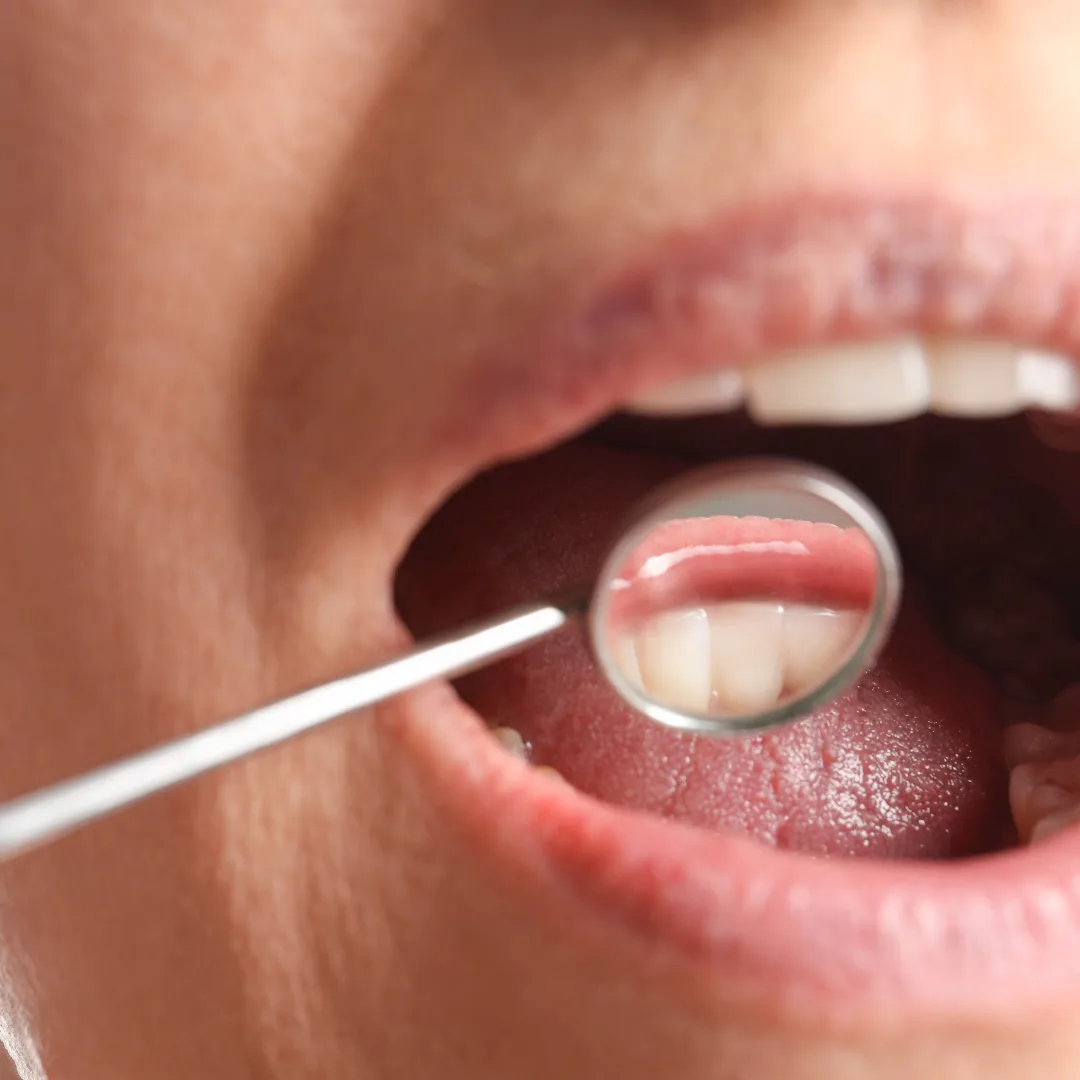
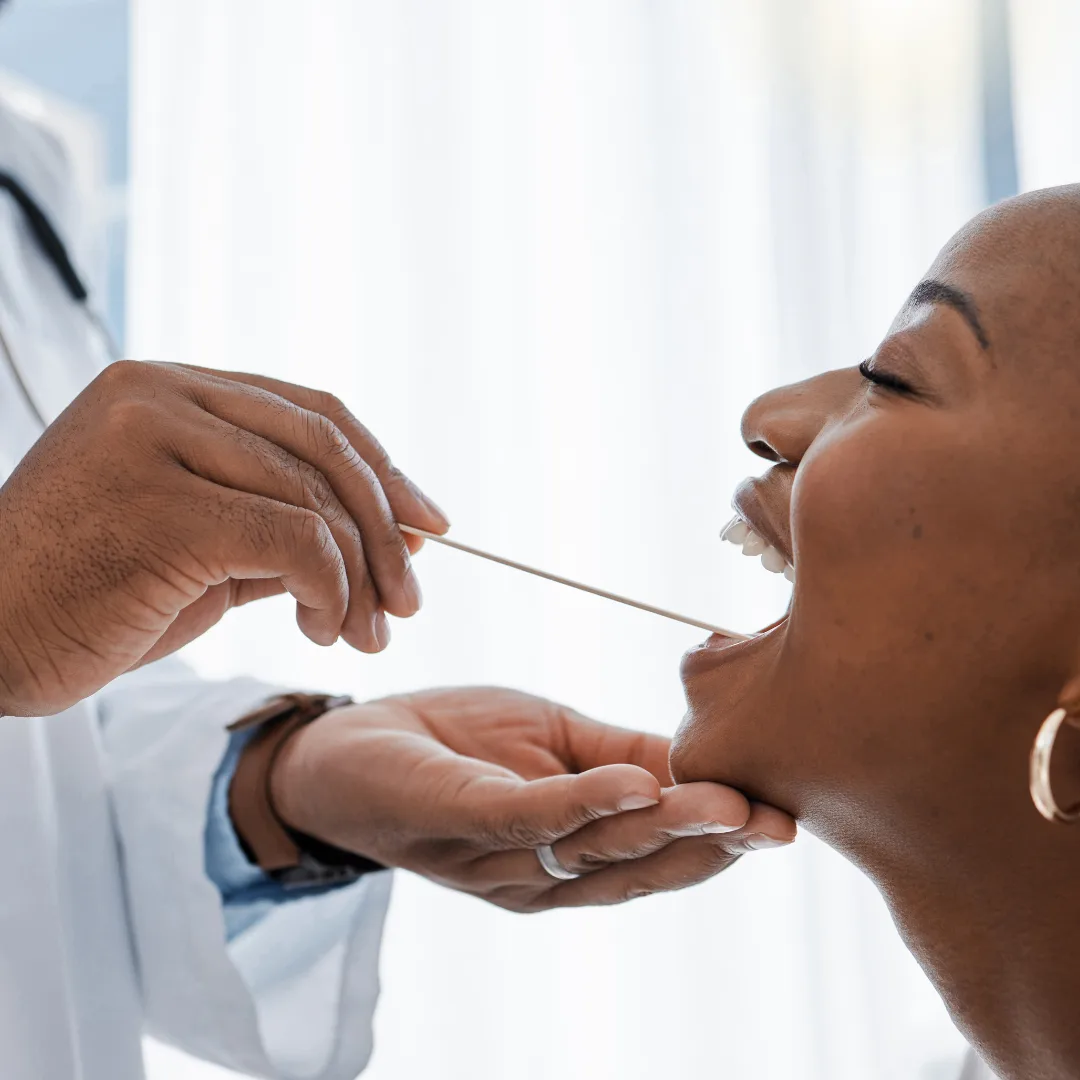
Your Thrive Dental dentist visually examines all tissues in your mouth: lips (inside and outside), cheeks, gums, tongue (top, bottom, and sides), floor of mouth, roof of mouth, and back of throat. We use bright light and sometimes a mirror to visualize all areas. We palpate (feel) tissues to detect lumps or abnormalities. The entire screening takes 2-3 minutes.
We recommend oral cancer screening at every dental visit--at minimum every 6-12 months when you come in for cleanings and exams. High-risk individuals (tobacco users, heavy alcohol users, or those with a family history of cancer) should be screened more frequently, sometimes every 3-6 months.
Risk factors include tobacco use (cigarettes, cigars, chewing tobacco, snuff), heavy alcohol consumption, significant sun exposure to lips, family history of cancer, HPV infection, and male gender (men are twice as likely as women). However, oral cancer can develop in anyone, regardless of risk factors. That's why screening matters for all patients.
Contact Thrive Dental if you notice: a sore that doesn't heal within 3 weeks, persistent pain in the mouth or tongue, difficulty swallowing or chewing, a lump or thickening anywhere in the mouth or throat, persistent hoarseness, red or white patches on gum or tongue tissue, or persistent ear pain. These don't necessarily mean cancer, but they warrant professional evaluation.
Screening is quick and comfortable. Your dentist uses visual examination and gentle palpation (feeling) to check tissues. You might feel slight pressure during palpation, but no pain.
If your Thrive Dental dentist identifies anything suspicious, we discuss findings with you in detail, explain what concerns us, and refer you promptly to an oral surgeon or oncologist (cancer specialist) for definitive diagnosis. Early referral is crucial. A biopsy may be performed to determine if tissue is cancerous.
Self-examination is helpful but cannot replace professional screening. Professional dentists have trained eyes to recognize subtle changes that patients miss. Perform monthly self-exams: look and feel the inside of your lips and cheeks, gums, tongue, floor and roof of mouth. Feel for lumps, look for discolored patches (red or white), and notice any sores that don't heal. Report findings to your Thrive Dental dentist.
Some risk reduction strategies include: quit tobacco and reduce alcohol, use sunscreen on lips, practice excellent oral hygiene, limit processed foods, eat a diet rich in fruits and vegetables, and visit Thrive Dental regularly for screening. The HPV vaccine (Gardasil) prevents some HPV strains that cause oral cancer; discuss with your physician.
Related Services
Get Oral Cancer Screening Near You
Ready for Oral Cancer Screening?
Schedule your appointment at any of our five Northern California locations. Our team is here to help you achieve the smile you deserve.