
Dental Bonding
Tooth-colored composite bonding fixes chips, gaps, and discoloration in one visit--no tooth removal required.

Dental bonding is the fastest, most affordable cosmetic fix for minor tooth imperfections. If you have a chipped tooth, small gap, or stain, bonding can transform your smile in a single visit—with no tooth removal.
How Dental Bonding Works
Bonding uses tooth-colored composite resin—a putty-like material—to build up and reshape your tooth. Unlike veneers, which require lab fabrication and multiple appointments, bonding is sculpted directly onto your tooth in real-time by Dr. Sekhon.
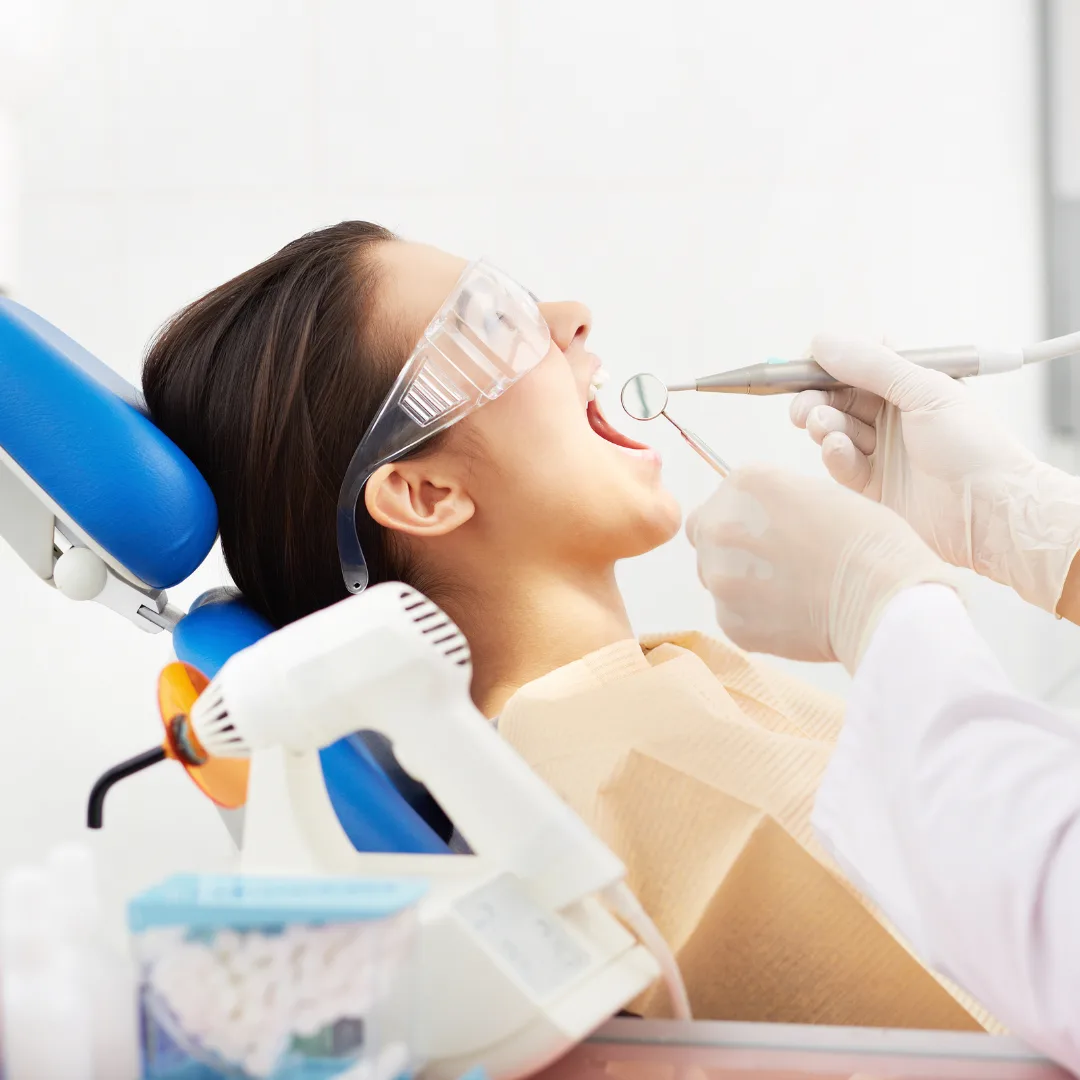
The process is straightforward: We roughen the tooth surface slightly, apply a conditioning liquid, place the composite resin, mold it into the desired shape, and harden it with a UV light. Then we polish and refine it until it looks completely natural. Total time: 30-60 minutes per tooth.
What Bonding Can Fix
Chips and cracks: A chipped corner or edge is the most common bonding case. We rebuild the missing portion.
Small gaps: Bonding widens teeth slightly to close gaps without braces or aligners.
Discoloration: Bonding covers stains that whitening won’t remove or that affect only one tooth.
Irregular shapes: Teeth that are pointed, too small, or have uneven edges can be reshaped.
Tooth length: Bonding can make a short tooth appear longer, balancing your smile.
Ideal vs. Non-Ideal Cases for Bonding
Bonding works excellently for small repairs affecting one or two teeth. However, it has limitations you should understand.
Bonding is ideal for:
- Single or two-tooth repairs (chips, cracks, small gaps)
- Patients wanting quick, affordable solutions
- Patients who want to avoid tooth removal
- Minor staining or discoloration on isolated teeth
- Patients who want to see results immediately
Bonding is NOT ideal for:
- Major smile transformations requiring multiple teeth
- Patients who drink coffee, tea, or wine daily (bonding stains more easily than natural teeth or veneers)
- Patients with heavy bite forces or bruxism (grinding)
- Teeth requiring extensive reshaping or color correction
- Patients expecting 15+ year durability without touch-ups
In these cases, porcelain veneers are superior. Veneers are more durable (10-15 years), stain-resistant, and look more natural for extensive cosmetic work. The trade-off: veneers require tooth removal and lab fabrication, while bonding is done in one visit.
Your Bonding vs. Veneer Decision
Think of bonding as the “quick fix” and veneers as the “permanent solution.” If you have one chipped tooth and want it fixed today for a reasonable cost, bonding is perfect. If your front four teeth have multiple issues (stains, chips, uneven shape) and you want a long-lasting, natural-looking result for up to 15 years, veneers are worth the two-appointment process and higher investment.
Dr. Sekhon will discuss both options during your consultation and recommend what’s genuinely best for your situation.
Caring for Bonded Teeth
Bonded resins are softer than natural tooth enamel and ceramic materials, so protect them:
Avoid chewing on:
- Ice (even small pieces)
- Hard candy or nuts
- Pens, pencils, or nails
- Straw or plastic bags
- Extremely hard foods
These habits can chip or crack the bonding. Otherwise, treat bonded teeth like natural teeth: brush twice daily, floss daily, and see your dentist every six months.
Stain Resistance and Color Maintenance
Unlike porcelain veneers (which are stain-resistant), composite bonding can pick up stains from coffee, tea, wine, and tobacco. If you drink coffee daily, bonding may discolor over 2-3 years even with excellent care.
To maintain bonding appearance:
- Avoid staining foods and beverages if possible (or use a straw)
- Rinse your mouth with water after drinking dark beverages
- Don’t smoke or use tobacco—these heavily stain bonding
- Brush gently with a non-abrasive toothpaste
If bonding does stain, Dr. Sekhon can polish it or apply fresh bonding material in a quick touch-up appointment.
Durability and When Repair Becomes Replacement
Bonding typically lasts 3-10 years depending on your bite, diet, and habits. With excellent care and a favorable bite, some bonding lasts 10+ years. When bonding does age, chip, or become discolored, the excellent news is that it’s infinitely repairable.
We can:
- Polish and smooth bonding to remove minor scratches
- Add bonding material to areas that have chipped
- Completely replace bonding with fresh material
- All in a single appointment with minimal downtime
Unlike other cosmetic restorations, bonding repair is fast and affordable. There’s no temporary restoration needed, no lab fabrication time, no complex process. Dr. Sekhon simply reshapes and re-hardens the bonding in real-time.
Combination Cosmetic Cases
Many patients combine bonding with other treatments for complete smile transformation. For example:
- Professional teeth whitening first, then bonding to cover remaining stains
- Aligners to straighten teeth, then bonding to fix remaining chips or gaps
- Bonding plus whitening for quick, affordable overall smile enhancement
Ask Dr. Sekhon about combination cosmetic plans during your consultation.
Your Bonding Consultation
At Thrive Dental’s five Northern California locations—Dixon, Elk Grove, Yuba City, Stockton, and Santa Clara—Dr. Sekhon and our team have extensive experience with cosmetic bonding that looks natural and feels durable. During consultation, we’ll examine your teeth, discuss your goals, show you shade and shape options, and explain exactly what bonding would involve for your specific situation.
Ready to fix that chip or close that gap? Schedule your consultation at www.zocdoc.com/practice/thrive-dental-140962 or call your nearest Thrive Dental location today.
Combination Cosmetic Plans
Consider pairing bonding with professional whitening for complete smile enhancement, clear aligners to straighten before bonding, or porcelain veneers for major transformations. If bonding isn’t the right fit for your case, Dr. Sekhon will recommend the best cosmetic solution. Visit any of our five Northern California offices or book your appointment.

Frequently Asked Questions
Bonding is a cosmetic procedure where we apply tooth-colored composite resin directly to your tooth, mold and shape it, and harden it with UV light. Unlike veneers, no tooth removal is required.
A single bonded tooth takes 30-60 minutes depending on the repair. Most patients complete their bonding in one appointment with no temporary restorations needed.
Bonding repairs chips and cracks, closes small gaps, covers stains that whitening won't remove, reshapes irregular teeth, and can make teeth appear longer or wider. It works well for minor cosmetic improvements.
Bonding is less expensive, requires no tooth removal, and can be done in one visit. Veneers look more natural, last longer (10-15 vs. 5-10 years), and resist staining better. Bonding is ideal for small repairs; veneers for major smile makeovers.
Yes. Bonding can be easily repaired or replaced in a single appointment if it gets damaged. This is one of the advantages over veneers.
Bonding typically lasts 3-10 years depending on your bite and habits. It can chip or stain over time and may need touch-ups or replacement. Avoiding hard foods and not using teeth as tools helps extend the life.
When done well, bonding blends completely with your natural teeth. Dr. Sekhon carefully matches the shade and shape, so the restoration looks like part of your original tooth.
Related Services
Clear Aligners
Nearly invisible custom aligner trays straighten mild-to-moderate crowding and spacing without metal brackets.
Professional Teeth Whitening
Professional teeth whitening brightens your smile by multiple shades in a single visit using advanced bleaching agents.
Dental Veneers
Porcelain veneers are custom shells that transform chips, gaps, discoloration, and misalignment into a perfect smile.
Get Dental Bonding Near You
Ready for Dental Bonding?
Schedule your appointment at any of our five Northern California locations. Our team is here to help you achieve the smile you deserve.